
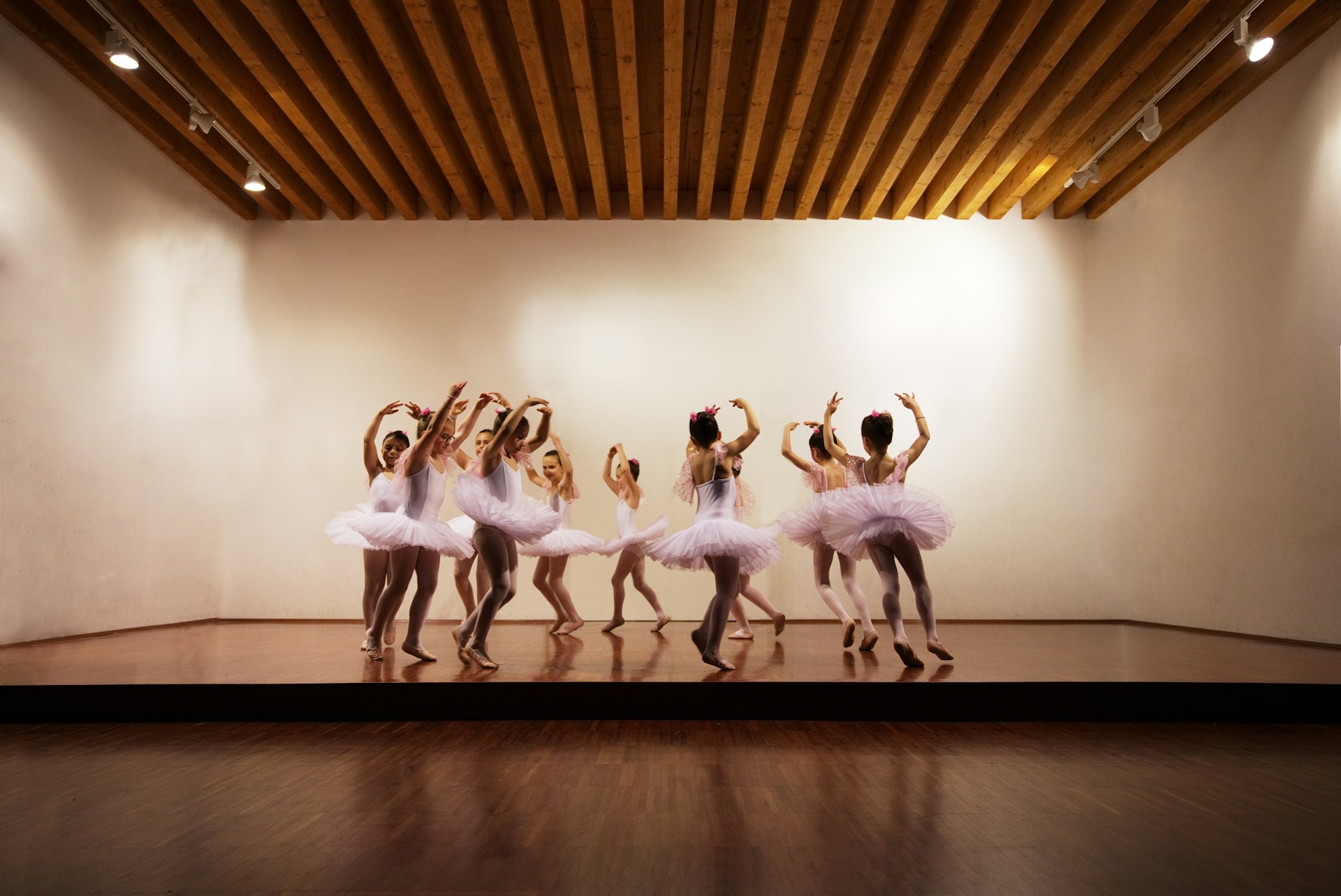
🌸 Why Ballet Is the Best Foundation for Every Young Dancer
🌸 Why Ballet Is the Best Foundation for Every Young Dancer
By Berlinda Teixeira • 5 December 2025
Ballet Basics Beginner Tips Child Development Parenting & Dance
Published 5 December 2025
When parents ask where their child should begin their dance journey, my answer is always the same:
Start with ballet.
Ballet isn’t just a style — it’s the language of dance.
From posture to musicality, discipline to creative expression, ballet provides young dancers with an extraordinary foundation that elevates every other style they explore.
In this article, we explore why ballet remains the gold standard for early dance training — and why it lies at the heart of everything we do at BM Dance Studio.
1. Ballet Builds Strong Technical Foundations
Every dance style — contemporary, jazz, lyrical, even hip-hop — borrows from ballet technique.
Through ballet training, dancers develop:
- Correct posture
- Core strength
- Turnout and hip alignment
- Balance and body placement
- Precise footwork
- Controlled transitions
- Safe movement mechanics
These fundamentals don’t just help dancers move beautifully —
they help them move safely, reducing injury risk and supporting long-term progress.
Simply put: ballet builds the body mechanics every dancer needs.
2. Ballet Teaches Discipline and Focus
Ballet is joyful, but it’s also structured, intentional, and routine-based.
It introduces children to:
- Repetition and practice
- Concentration
- Respect for the studio and teacher
- Attention to detail
- Patience while learning new skills
These qualities transfer far beyond the dance floor — into school, sports, friendships, and daily life.
Many parents share that after starting ballet, their children show improved confidence, focus, and emotional maturity.
3. Ballet Develops Musicality and Expression
Even at the youngest levels, ballet fosters a deep connection to music and movement.
Dancers learn to understand:
- Rhythm and timing
- Musical patterns
- Classical and modern music styles
- Emotional storytelling through movement
Ballet teaches dancers not just how to move — but why they’re moving.
This emotional intelligence is what makes dance a transformative outlet for children.
4. Ballet Strengthens the Whole Body
From tiny tendus to powerful jumps, ballet engages and develops:
- Core muscles
- Leg and hip strength
- Back and postural muscles
- Foot and ankle strength
- Flexibility and coordination
Children who begin with ballet develop strength and alignment that supports all physical activities — from gymnastics and acrobatics to team sports.
5. Ballet Encourages Confidence and Self-Belief
There’s a special moment when a dancer finally masters a step after weeks of practice:
Their whole face lights up.
Ballet gives children opportunities to experience:
- Achievement
- Growth
- Self-confidence
- Pride in their progress
Parents often tell me:
“She walks taller now — not just in class, but everywhere.”
That is the true magic of ballet.
6. Ballet Is the Perfect Foundation for Contemporary Dance
At BM Dance Studio, we teach both ballet and contemporary —
and without exception, our strongest contemporary dancers are those with solid ballet technique.
Contemporary draws heavily from:
- Ballet alignment
- Quality of movement
- Strength and control
- Flow and transitions
Dancers who start with ballet feel more confident exploring the freedom and artistry that contemporary dance offers.
Final Thoughts
Ballet is not about perfection — it’s about growth.
It gives children a safe and inspiring place to move, express, discover themselves, and build confidence from the inside out.
Whether a dancer dreams of performing on stage or simply wants to explore creativity and joy, ballet is the most beautiful starting point.
At BM Dance Studio, we are honoured to guide every young dancer who steps through our doors.
Start with ballet.
Ballet isn’t just a style — it’s the language of dance.
From posture to musicality, discipline to creative expression, ballet provides young dancers with an extraordinary foundation that elevates every other style they explore.
In this article, we explore why ballet remains the gold standard for early dance training — and why it lies at the heart of everything we do at BM Dance Studio.
1. Ballet Builds Strong Technical Foundations
Every dance style — contemporary, jazz, lyrical, even hip-hop — borrows from ballet technique.
Through ballet training, dancers develop:
- Correct posture
- Core strength
- Turnout and hip alignment
- Balance and body placement
- Precise footwork
- Controlled transitions
- Safe movement mechanics
These fundamentals don’t just help dancers move beautifully —
they help them move safely, reducing injury risk and supporting long-term progress.
Simply put: ballet builds the body mechanics every dancer needs.
2. Ballet Teaches Discipline and Focus
Ballet is joyful, but it’s also structured, intentional, and routine-based.
It introduces children to:
- Repetition and practice
- Concentration
- Respect for the studio and teacher
- Attention to detail
- Patience while learning new skills
These qualities transfer far beyond the dance floor — into school, sports, friendships, and daily life.
Many parents share that after starting ballet, their children show improved confidence, focus, and emotional maturity.
3. Ballet Develops Musicality and Expression
Even at the youngest levels, ballet fosters a deep connection to music and movement.
Dancers learn to understand:
- Rhythm and timing
- Musical patterns
- Classical and modern music styles
- Emotional storytelling through movement
Ballet teaches dancers not just how to move — but why they’re moving.
This emotional intelligence is what makes dance a transformative outlet for children.
4. Ballet Strengthens the Whole Body
From tiny tendus to powerful jumps, ballet engages and develops:
- Core muscles
- Leg and hip strength
- Back and postural muscles
- Foot and ankle strength
- Flexibility and coordination
Children who begin with ballet develop strength and alignment that supports all physical activities — from gymnastics and acrobatics to team sports.
5. Ballet Encourages Confidence and Self-Belief
There’s a special moment when a dancer finally masters a step after weeks of practice:
Their whole face lights up.
Ballet gives children opportunities to experience:
- Achievement
- Growth
- Self-confidence
- Pride in their progress
Parents often tell me:
“She walks taller now — not just in class, but everywhere.”
That is the true magic of ballet.
6. Ballet Is the Perfect Foundation for Contemporary Dance
At BM Dance Studio, we teach both ballet and contemporary —
and without exception, our strongest contemporary dancers are those with solid ballet technique.
Contemporary draws heavily from:
- Ballet alignment
- Quality of movement
- Strength and control
- Flow and transitions
Dancers who start with ballet feel more confident exploring the freedom and artistry that contemporary dance offers.
Final Thoughts
Ballet is not about perfection — it’s about growth.
It gives children a safe and inspiring place to move, express, discover themselves, and build confidence from the inside out.
Whether a dancer dreams of performing on stage or simply wants to explore creativity and joy, ballet is the most beautiful starting point.
At BM Dance Studio, we are honoured to guide every young dancer who steps through our doors.